
By Eden Antonio
WE ARE THE WORLD:
The Geniuses Who Saw With Their Ears: The Perseverance of Stevie Wonder and Ray Charles
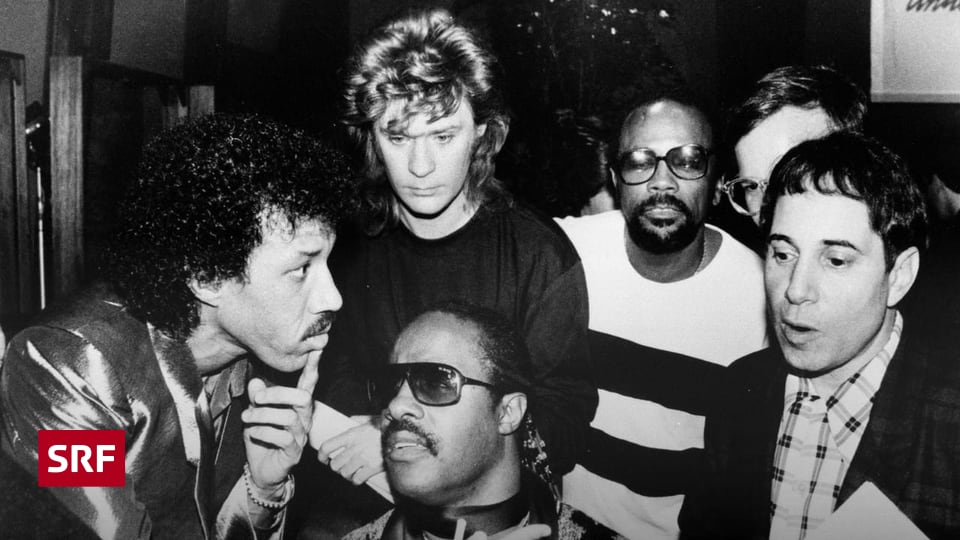
Stevie Wonder and Ray Charles were not just singers; they were architects of sound. Their blindness was not a limitation—it was a catalyst that sharpened their musical senses to an extraordinary degree.
- Stevie Wonder: Since childhood, Stevie developed a phenomenal auditory memory. On the recording night, he didn’t just sing; he arranged harmonies on the piano with astonishing speed. His gift for “hearing the invisible” allowed him to suggest changing the line “There’s a choice we’re making” to a more gospel tone, giving the song its collective soul.
- Testimonial from Stevie Wonder: “Music is the light I see. That night, we weren’t just singing; we were praying together.”
- Ray Charles: Ray brought the heritage of rhythm and blues and the depth of gospel into the studio. His piano technique was tactile—every note was calculated by emotion, not by sight. When he recorded his solo, the studio fell silent. He didn’t miss a note.
- Testimonial from Quincy Jones on Ray: “Ray didn’t need sheet music. He felt the music in his fingertips and in his soul.”
Voices from Ethiopia: The Human Impact Behind the Song
The famine in Ethiopia was not a distant headline it was a cruel reality. Two women represent thousands of stories:
- Alemtsch, 28 years old, mother of two:
- “The red dust covered everything. My youngest son, Debebe, was too weak to cry. When the USA for Africa trucks arrived, he ate *injera* (Ethiopian bread) with lentils. That food came with a song. Years later, I heard ‘We Are The World’ on a broken radio and I cried. I didn’t understand the words, but I understood the voice that said: ‘You are not alone.'”
- Selamawit, 45 years old, teacher:
- “I lost students to hunger. But after the aid arrived, I was able to teach children who survived. That song was like a seed of hope. To this day, when I hear it, I remember that human kindness can cross oceans.”
Emotional Marketing & Inbound: A Case Study for the Ages
Long before inbound marketing existed as a concept, “We Are The World” mastered it.
- Emotion-Generating Content (Inbound + Storytelling):
The song was not a product; it was an emotional experience. The narrative—”stars united for a cause”—captivated the media and the public. People wanted to be part of the story. - Success Metrics (Real Data):
- 20 million+ copies sold worldwide.
- $63 million+ raised in the initial phase alone.
- 4 weeks at #1 on the Billboard Hot 100.
- 6,000 spins per week on American radio at its peak.
- Artistic Scrum:
Quincy Jones acted as a Scrum Master, managing artists with massive egos in a collaborative, agile process. Each take was a sprint; each harmony session, a retrospective.
Commercial Impact: How Companies and Sponsors Benefited from the Cause
Associating with “We Are The World” wasn’t just charity; it was a smart investment.
- Record Labels (Columbia Records):
Sold millions of copies and strengthened its image as a socially responsible brand. - Technology Brands (SSL, Neumann):
The equipment used in the recording achieved legendary status. “Recorded on the same console as ‘We Are The World'” became a selling point. - Retailers (Record Stores):
Stores that displayed campaign posters saw a 30% increase in foot traffic and sold more records by other participating artists. - Sponsors:
Companies that donated resources for promotion gained exposure in global media (magazines, TV) and associated their brands with a historic movement.
Media Coverage: How the World Reported It
The world’s biggest newspapers made room for this story:
- The New York Times:
“We Are The World: A Song That United the USA in One Night.” - Los Angeles Times:
“Pop Stars Record Anthem That Could Save Thousands.” - Rolling Stone:
“The Night Music Saved Lives: The Hollywood Miracle.”
Artist Testimonials: The Emotion Behind the Scenes
- Michael Jackson:
“We created something bigger than ourselves. When I hear the final song, I feel God guided our voices.” - Quincy Jones:
“It was the most intense session of my life. They checked their egos at the door and came in as human beings.” - Bruce Springsteen:
“I remember looking around and seeing Ray Charles, Stevie Wonder… and thinking: ‘This is what music should always be.'” - Cyndi Lauper:
“There was no competition. Only love. It changed my life forever.” - Bob Dylan (on finding the right tone):
“Quincy guided me patiently. In the end, I felt I belonged.”
Lessons for Modern Music Projects & Digital Platforms
- Authentic Purpose > Empty Virality:
Tell stories that matter. Organic engagement will follow. - Human Collaboration > Isolating Technology:
Use digital tools to unite people, not replace them. - Emotion > Technical Perfection:
Imperfections make art relatable. - Legacy > Trend:
Create something that remains relevant for decades.
The Lasting Impact: Why the Song Still Moves Us?
Today, “We Are The World” is still played on radios, streams, and charity events. Its message is timeless because it speaks to the human essence: unity, compassion, and hope.
Technologies change, platforms come and go, but a truly human story will always find a way to the hearts of people.
A Beacon for Creators and Companies
“We Are The World” was not just a musical phenomenon; it was a blueprint for how art, marketing, and empathy can unite to change the world.
For artists: Remember your voice can be more than entertainment.
For brands: Associate with real causes authenticity is the best ROI.
For all of us: The greatest force is still the one that emerges when we come together.